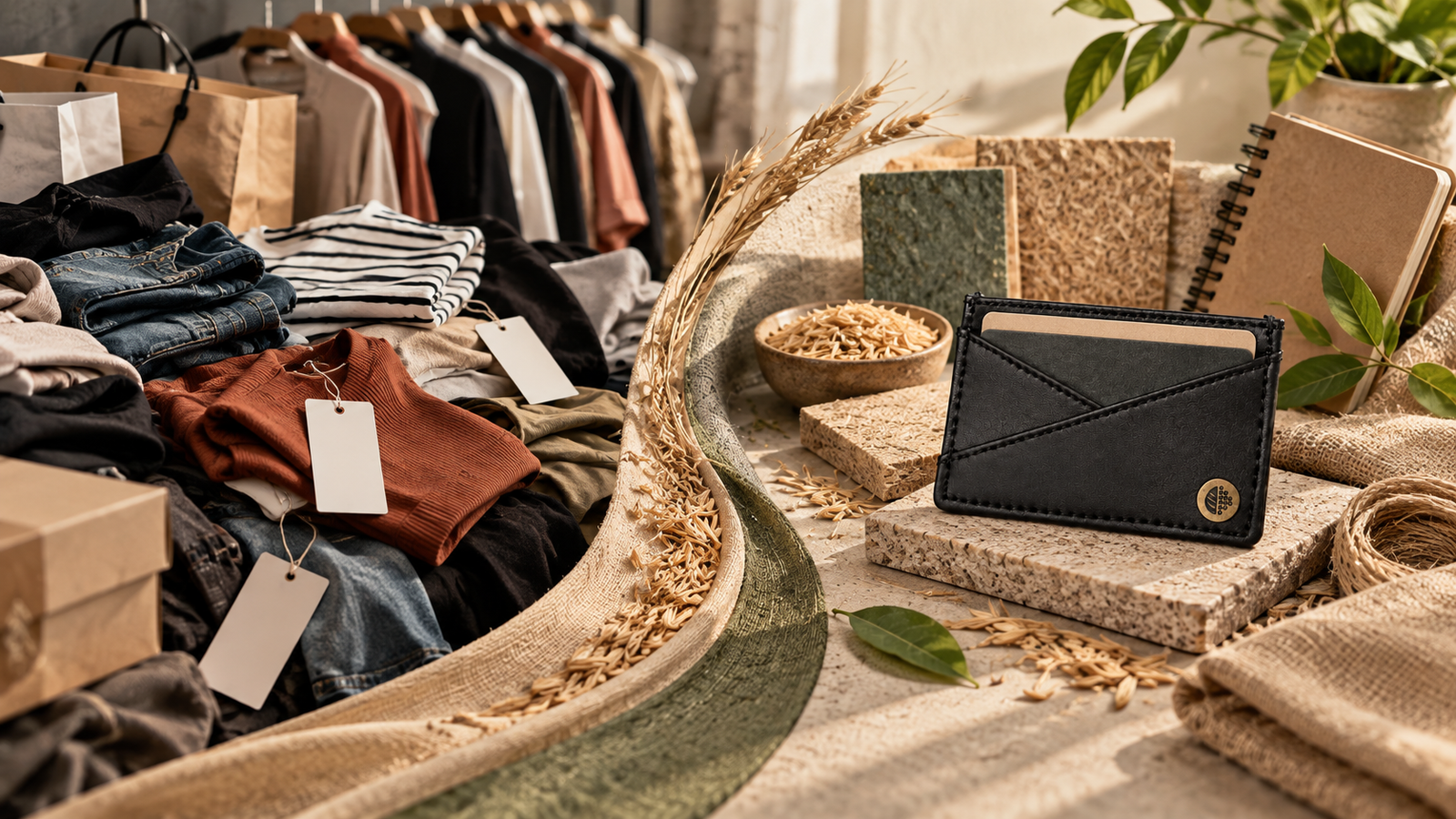
Sustainable fashion focuses on making, using and keeping fashion products in circulation for longer, while fast fashion is built around quickly producing and selling inexpensive styles that change frequently. The difference is not simply about price or whether a garment is made from a “natural” material it also involves durability, production practices, resources use, consumption patterns and what happens to the product after use.
What is Fast Fashion?
Fast fashion is a business and consumption model centered on rapidly introducing new styles, producing them at relatively low prices and encouraging frequent purchases. Social media, online shopping and short trend cycles have helped accelerate this model.
The Ellen MacArthur Foundation reports that clothing production approximately doubled between 2000 and 2015, while the number of times garments were worn before being discarded fell by 36%.
This creates a linear “take, make, use and waste” system. When clothing is produced quickly and used for a short period, more raw materials, energy, water and manufacturing processes are required to keep replacing it.
What is Sustainable Fashion?
Sustainable fashion takes a broader approach. It aims to reduce environmental and social impacts across the product’s lifestyle by considering material, manufacturing, durability, repair, reuse, recycling and end of life.
A sustainable product does not necessarily have to be made from one particular material. For example, a product made from recycled, renewable or agricultural waste inputs still needs to be assessed for how it is manufactured, how it lasts and what happens when it is longer usable.
The Ellen MacArthur Foundation describes a circular fashion system as ne where products are used more, made to be made again, and from safe and recycled or renewable inputs.
Sustainable Fashion vs Fast Fashion: Key Differences
| Fast Fashion | Sustainable Fashion |
|---|---|
| Rapid trend cycles | Longer-term design |
| Frequent purchasing | Longer product use |
| Often focuses on low upfront prices | Considers lifecycle value |
| Linear production model | Circularity is a key goal |
| Shorter product utilisation can occur | Durability, repair and reuse are prioritised |
| High volumes of new products | Focus on reducing unnecessary production |
These are broad tendencies rather than rules for every individual brand or product.
Why does the difference matter?
The scale of textile consumption makes these choices significant, UNEP estimates that the textiles industry contributes 2-8% of global greenhouse-gas emissions and uses around 86 million Olympic-sized swimming pools of water each year.
The Ellen MacArthur Foundation also estimates that the equivalent of one garbage truck of clothing is landfilled or incinerated every second.
These figures show why simply producing more clothing more quickly is different to reconcile with a circular model.
Is Sustainable Fashion Always Better?
The word “Sustainable” should not automatically be treated as proof of a product’s environmental performance. Different materials and production methods have different impacts.
For example, a plant-based or recycled material may reduce dependence on certain virgin resources, but its overall still depends on its formulation, processing, durability and end of life options.
This is why consumers should look beyond labels and ask: What is it made from? How long will it last? Can it be repaired or reused? What happens when I no longer need it?
How Does SriJeevanam relates to sustainable Fashion?
SriJeevanam approaches sustainable fashion through material choices, thoughtful design, durability and conscious consumption. Instead of conventional animal leather, the brand uses plant-based leather made with upcycled agricultural residue, along with other formulation components, to create products such as wallets, cardholders and diary covers. SriJeevanam also works with natural fibers such as jute, bringing agricultural and natural materials, into everyday accessories.
This approach connects with an important principle of sustainability fashion: What a product is made from matters, but so does happens during its entire life. A material being plant-based does not automatically make a product sustainable. Durability, manufacturing processes, maintenance, frequency of use and end of life options also matter.
SriJeevanam focuses on creating everyday products that are designed to be used repeatedly rather than treated as short-term trend items. Its wallets, cardholders, diary covers and jute products are positioned around practical, long-term use rather than rapidly changing fashion cycles.
SriJeevanam is part of this conversation through its use of Plant-based agricultural-residue materials, jute, reusable products and handcrafted production. The goal is not simply to call a product “Sustainable” but to make more conscious choices about material, design, craftmanship and product life