If you’ve ever picked up a product labelled vegan leather and wondered, “Is this really helping the environment?”—you’re asking the right Place. The answer isn’t simply yes or no. Just like any other material, the environmental impact of vegan leather depends on what it’s made from and how it’s produced. That’s why it’s worth looking beyond the label before making your next purchase.
The Story Behind the Material Matters
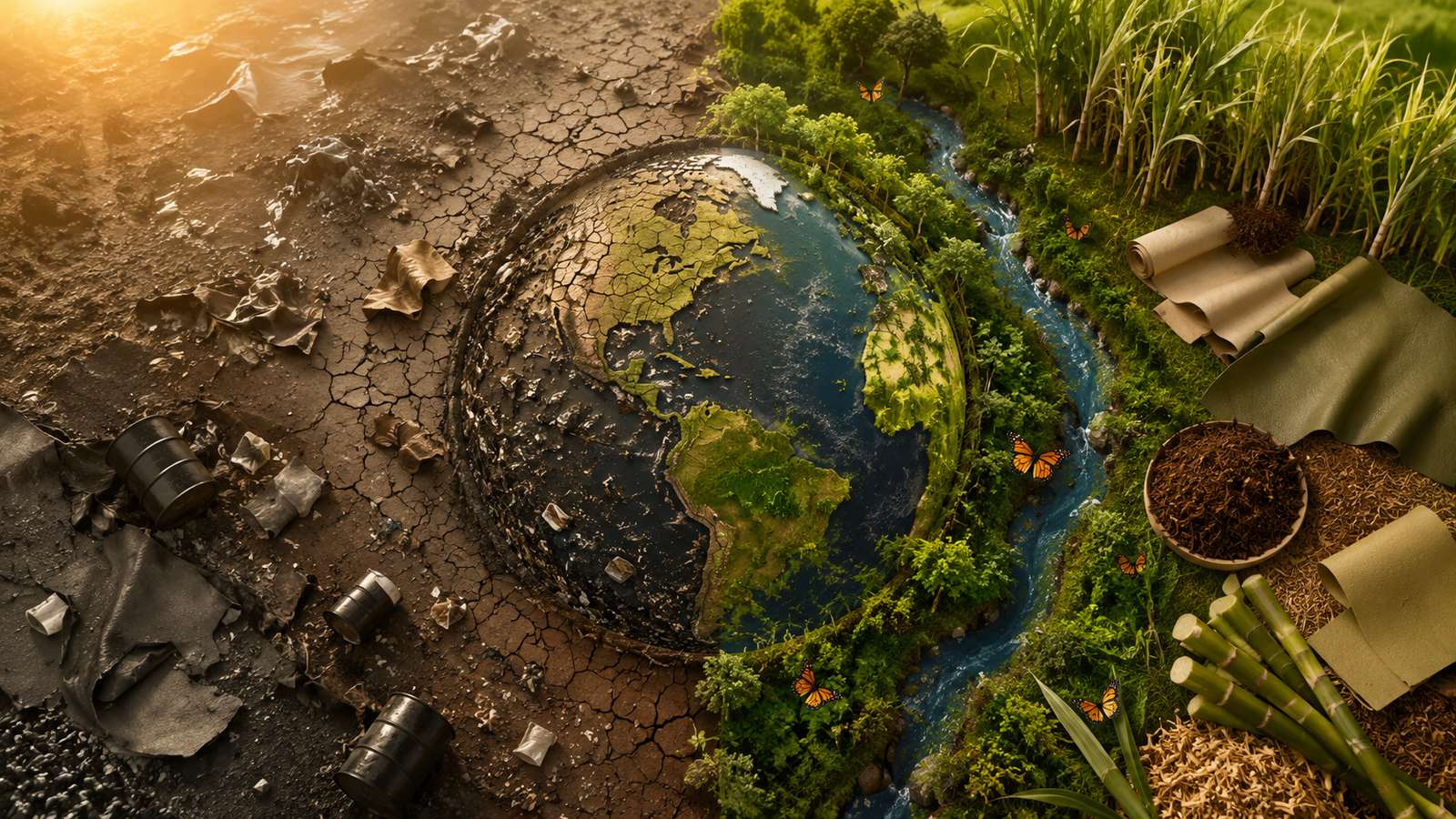
Many traditional vegan leather products are made using PU or PVC, which are plastic-based materials. While they don’t involve animal leather, they still rely on fossil fuels and can remain in the environment for years after they’re thrown away.
This is where plant-based leather is making a real difference. Instead of depending on virgin plastics, it uses agricultural waste like sugarcane residue, pineapple leaves, apple waste, or cactus to create beautiful, functional materials. It’s a smart way of turning what was once discarded into something useful while reducing waste.
At Srijeevanam, that’s exactly the idea we believe in. We transform agricultural waste into thoughtfully designed products that are made to last. Because sustainability isn’t only about using better materials—it’s also about creating products people won’t need to replace every few months. Durable products, responsible manufacturing, and mindful packaging all play an important role in reducing environmental impact.
There’s no such thing as a perfect material, but there are definitely better choices. Choosing products that last longer, use renewable resources, and reduce waste can make a real difference over time. As plant-based leather continues to improve with cleaner production methods and lower plastic content, it’s helping shape a future that’s better for both people and the planet. And sometimes, making a positive impact starts with something as simple as choosing your next wallet or bag more thoughtfully.