Buying a handmade product can be a way to appreciate craftsmanship. But does every handmade purchase directly support the artisan who made it? Not necessarily. The difference lies in understanding who creates the product, how they are paid, and whether they have opportunities to continue their work.
Buying Handmade is only the first step
A handmade product reflects human skill, time and effort. From jute accessories to crochet bags, every piece can involve specialized techniques and careful attention to detail. However, a product being handmade does not automatically guarantee fair wages or good working conditions.
According to the government of India’s Ministry of textile, 31.14 lakh handicraft artisans were registered under the Pehchan card scheme as of 30 June 2023. This highlights the scale of india’s handicraft community and the importance of creating meaningful opportunities for artisans.
What does it mean to support an artisan?
Supporting an artisan means looking beyond the finished product. It includes fair compensation, reliable work opportunities, recognition of skills and access to customers.
The international Labour Organization’s 2021 report, working from home: From invisibility to decent Work, estimated that 260 million people worldwide worked from home in 2019, representing 7.9% of total employment. The report also highlighted challenges such as informal employment and inadequate pay among home-based workers. Some of these workers produce handicrafts.
This is why responsible sourcing matters. A purchase can contribute more meaningfully when businesses understand their supply chains and treat the people behind their products fairly.
How can consumers make a difference?
Before buying, ask a few simple questions:
- Does the brand explain who makes its products?
- Is there transparency about sourcing and production?
- Does the business value craftmanship and fair compensation?
- Does it help create opportunities for artisans through continued demand?
UNESCO emphasizes that safeguarding traditional craftmanship means preserving the skills and knowledge passed between generations-not simply craft objects. Supporting artisans can therefore help keep valuable techniques alive when it creates viable opportunities for makers.
The SriJeevanam Perspective
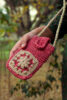
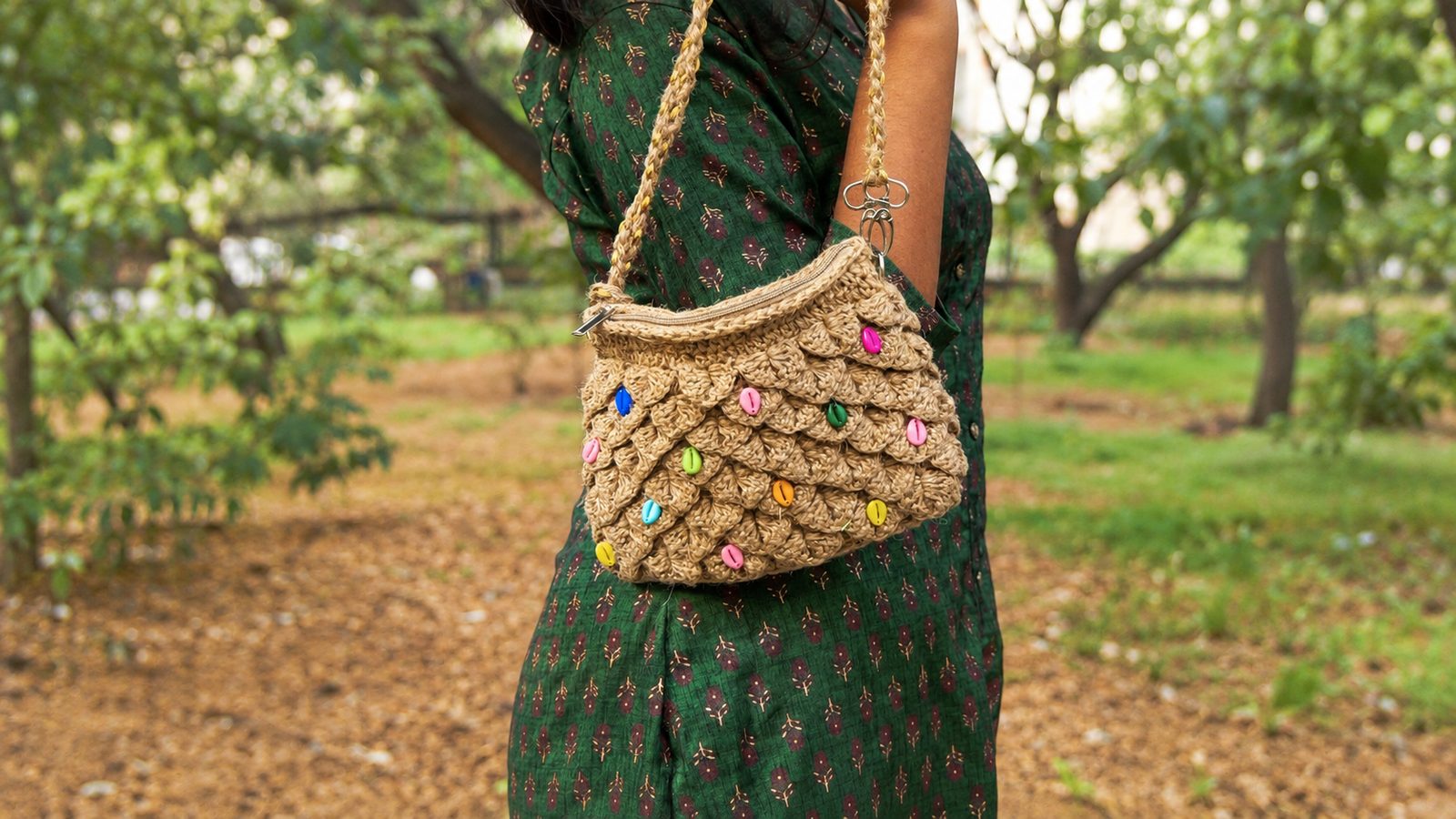
At SriJeevanam, handmade jute and crochet products reflect the value of craft, material and human effort. The brand also offers home-based craft opportunities for women making products such as jute keychains, diary covers, Handbags etc.
Choosing a handmade product is a good starting point. Choosing a brand that values the people behind the product makes that decision more meaningful.
Because supporting artisans is not just about you buy. It is about the value you help sustain.