When you compare a handmade product with a mass-produced one, the price difference can sometimes be surprising. So, why are handmade products more expensive?
The answer goes beyond the product itself. You are also paying for the time, skill, craftsmanship and people behind it.
Handmade Products take time and skill
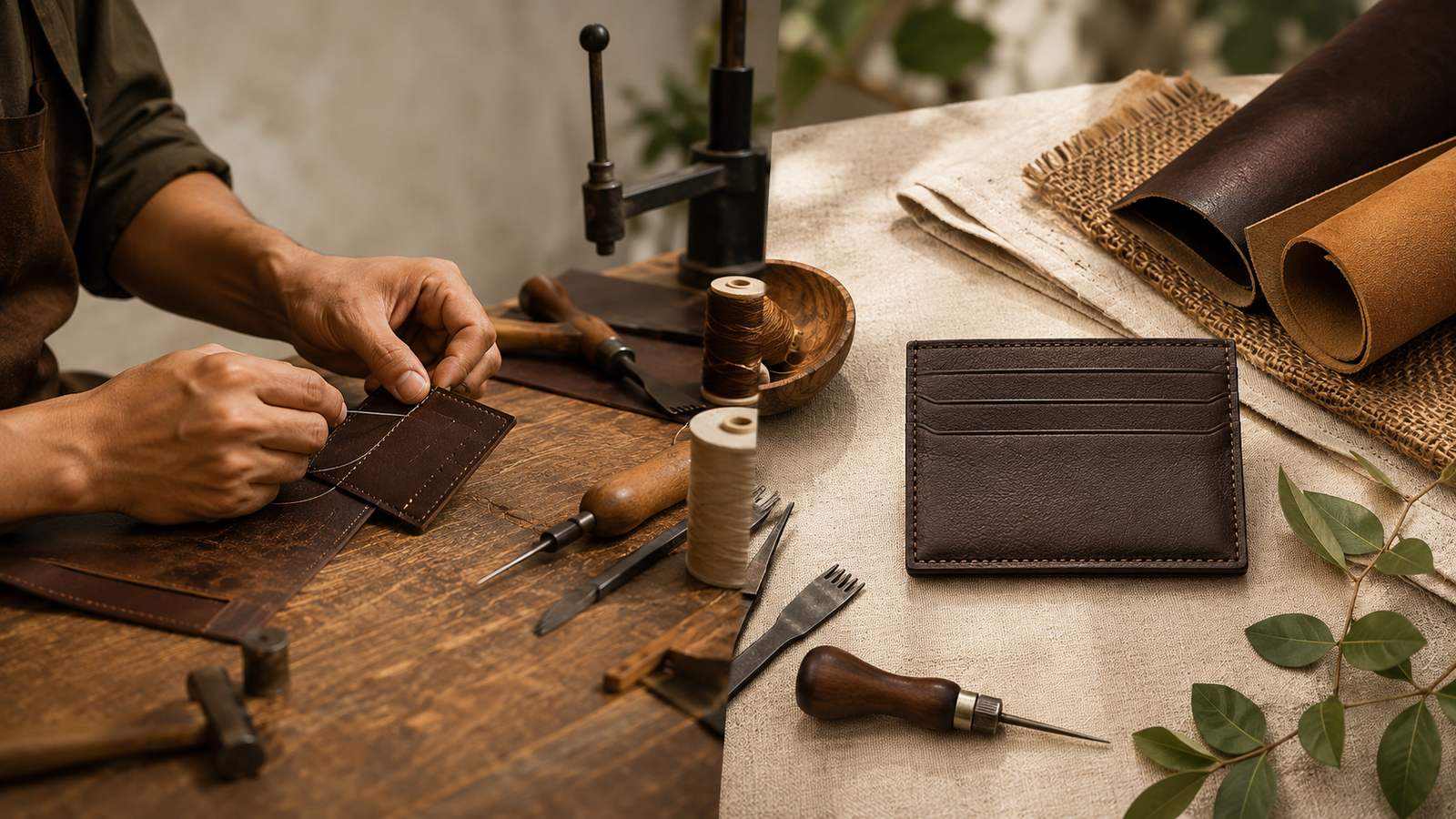
Unlike factory-made products designed for high volume production, handmade products often involve several steps completed be skilled artisans or craftspeople.
Cutting, stitching, weaving, finishing and quality checking can require considerable time and attention. Each product may also small variations, which are art of its handmade character.
The cost therefore reflects Human skill and working time, not simply the cost of raw materials.
Small batch Production Costs More
Mass production benefits from economics of scale. Producing thousands of identical products can reduce the cost of manufacturing each individual items.
Handmade business often works in smaller batches, which means they cannot always achieve the same production effeciencies.
Responsible materials can also influence the final price. For example, choosing agricultural-waste-based materials, natural fibres or other alternative materials may involve specialized sourcing and processing
You’re Paying for More than a product
A handmade product carries a story that a mass-produced product may not.
When you purchase handmade, your money can support artisans, skilled workers and small businesses, helping preserve craftmanship and creating livelihoods.
At SriJeevanam, our approach combines thoughtful design with responsible material choices and small batch production. Our products are created with an emphasis on functionality, craftmanship and conscious material innovation.
So, the nest time a Handmade product seems expensive, consider what you are actually paying for:
Time. Skill. People. Materials. Craftmanship.
The real question isn’t simply “Why does handmade cost more?‘
It is “What value does handmade bring that mass production cannot?”