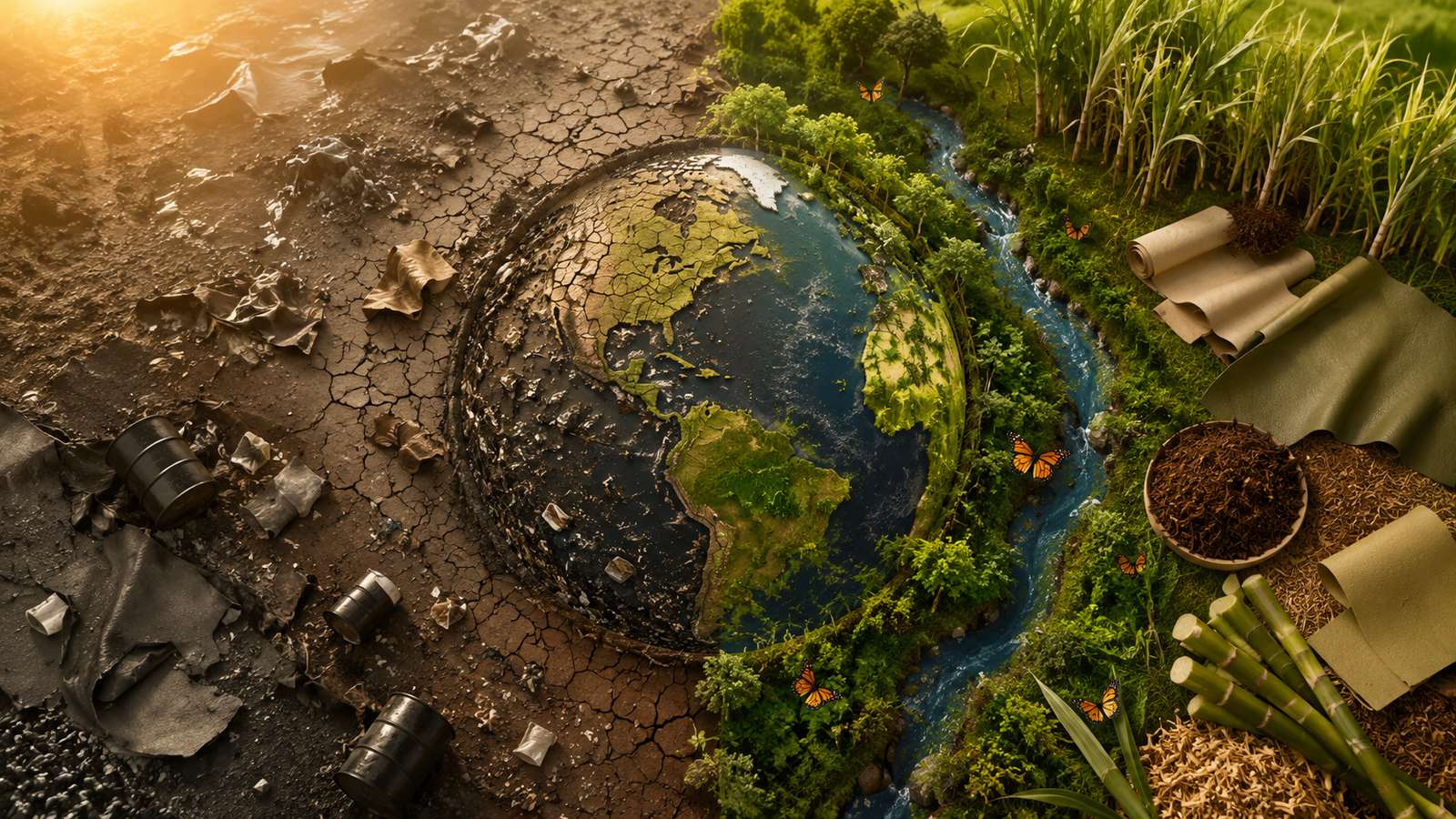
The Environmental Challenges of Leather Tanning
India is one of the world’s largest producers of leather goods, and the industry supports millions of livelihoods. However, the leather tanning process has long been associated with environmental challenges, making sustainable alternatives an increasingly important part of the conversation.
Leather tanning transforms raw animal hides into durable leather using chemicals such as chromium salts, acids, sulfides, and dyes. If wastewater is not treated properly, these substances can contaminate rivers, groundwater, and agricultural land, affecting nearby ecosystems and communities.
Leather production also consumes significant amounts of water and energy. While many modern tanneries have adopted effluent treatment plants and cleaner technologies to meet environmental regulations, the level of compliance and infrastructure still varies across the industry.
Why Sustainable Alternatives Matter
Growing environmental awareness has encouraged the development of materials with a lower environmental footprint. One such innovation is plant-based leather made from agricultural waste. By reducing reliance on animal hides and making use of renewable resources, these materials support more responsible manufacturing practices. Although no material is entirely impact-free, sustainable alternatives can help reduce waste and promote resource efficiency.
Srijeevanam’s Commitment to Sustainable Innovation
At Srijeevanam, we create products using plant-based materials derived from agricultural waste, combining thoughtful design with a commitment to sustainability. We believe that conscious choices—whether by manufacturers or consumers—can encourage cleaner production methods and reduce environmental impact over time.
As demand for eco-friendly products grows, sustainable materials are helping shape a future where quality, craftsmanship, and environmental responsibility go hand in hand.